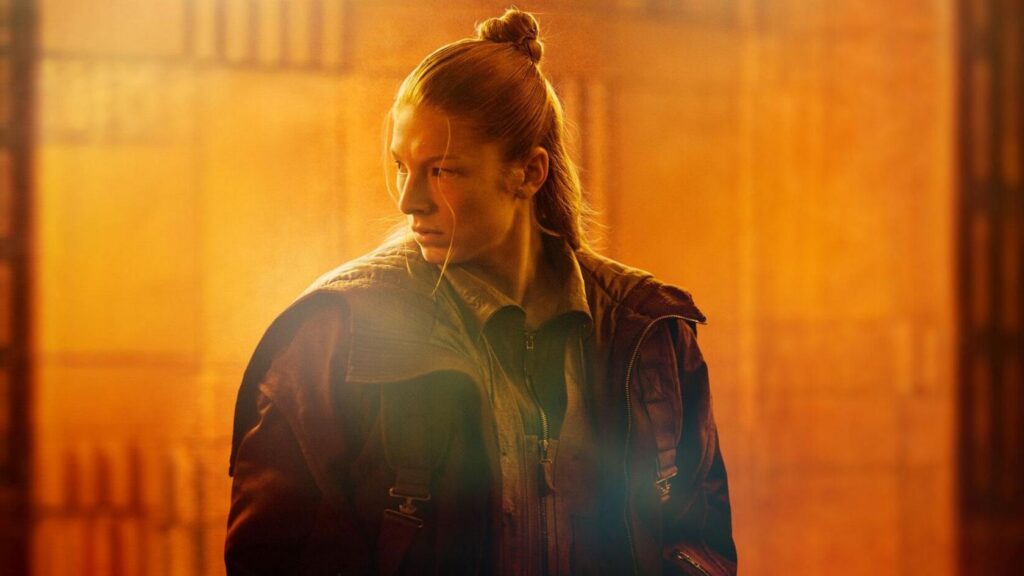
In Ridley Scott’s 1982 film Blade Runner, Harrison Ford’s Detective Deckard hunted synthetic humans known as replicants. Blade Runner 2099, which debuted on Prime Video on 25 November 2026, reverses that premise. Eighty years after the events of the film, replicants control Los Angeles, and it is Cora, a human played by Hunter Schafer, who must go on the run. To find an artefact that could save humanity, she needs the help of a replicant, Michelle Yeoh’s Olwen.
For showrunner Silka Luisa, that reversal raises a question that goes beyond artificial intelligence. “It’s this bigger question of what is the world going to be in 15 years and how can you plan for it?” she told BBC Newsbeat. The series revisits the original film’s concerns about corporate greed and environmental damage. Luisa said she hoped viewers would recognise what it feels like to grow up expecting a particular future, only to see the system that promised it start to collapse.
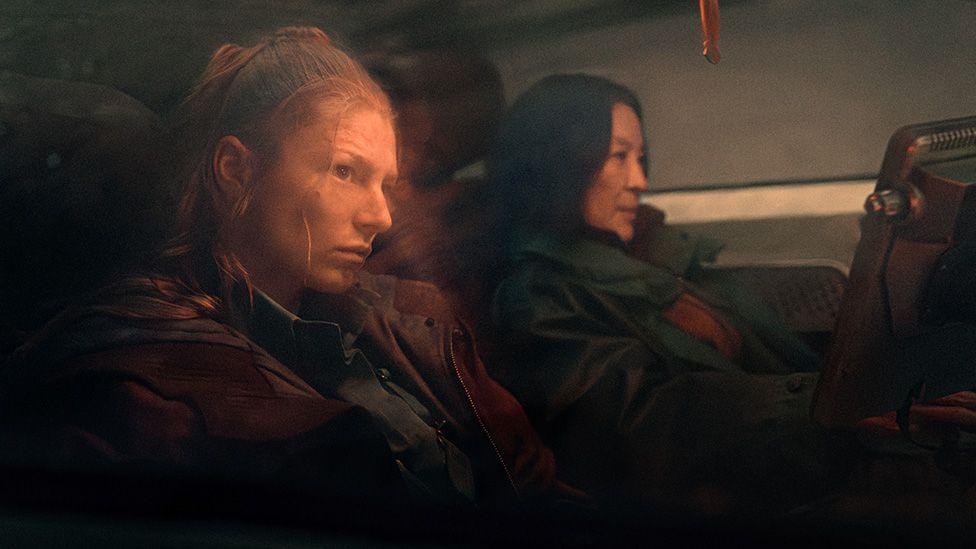
Schafer first encountered Blade Runner through the marketing for its 2017 sequel, Blade Runner 2049, which starred Ford and Ryan Gosling. She said she felt pressure joining a franchise that meant so much to the people working on the show. What makes it timely for her is the prospect of younger viewers “inheriting a world that’s asking a lot of the same questions that the show asks”.
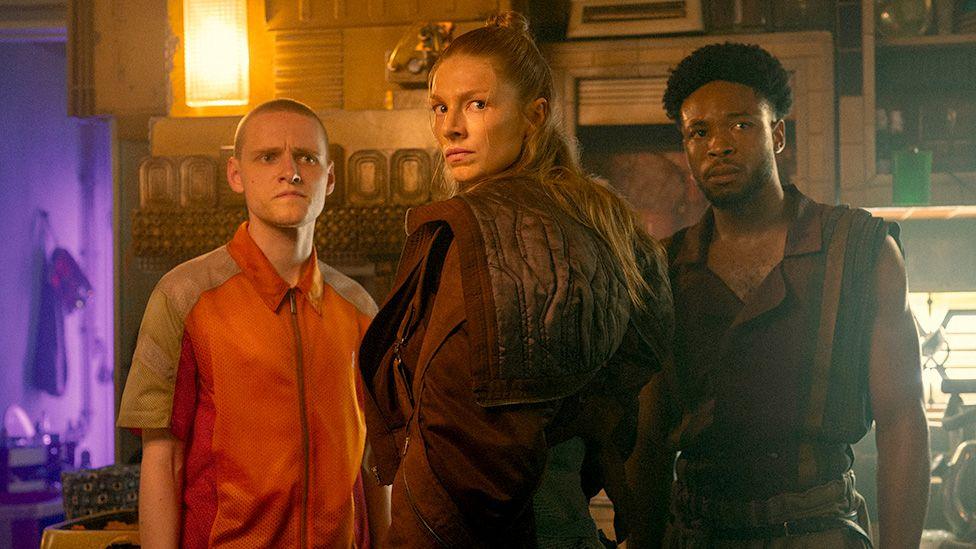
Lewis Gribben, who plays Cora’s younger brother Elias, saw a contrast between the show’s subject and the human work behind it. Its makers said the production employed “hundreds of artists and craftspeople”. Gribben argued that greater reliance on technology might help studios make better-looking films without giving them the qualities audiences seek: “I think a lot of people crave human stories.” For Dimitri Abold, who plays Cora’s human ally Bebeto, the bonds between the characters matter most: “And the connections that you make are the foundation of humanity.”

Reviews were mostly positive at the time of release, with a 72% score on Rotten Tomatoes and an average of 65% on Metacritic. Critics praised the lead performances, the visual style and the treatment of themes from the films. Pacing was the most frequent reservation, with several reviewers questioning how well Blade Runner’s slow burn suited television.