
On a second dirt race in Grand Theft Auto VI, the writer of a November 28, 2026 critique finally took first place when the leader crashed just short of the finish. The result was clear. What the player had learned about driving was not. Asked to run the race again, the writer had little confidence they could repeat the win.
For this player, 30 frames per second was among the game’s lesser problems. The more consequential question was what the game told them after a mistake, before a decision or at the moment they spotted somewhere worth exploring.
What a retry teaches
The writer spent nearly an hour on one racing event without noticing an improvement in their driving. On the dirt, a rollover could mean starting again. On the road, rivals sometimes seemed to match a slow pace, then catch up through the final bends when the player was ahead. The writer described an impression, not a finding about how the racing AI works: in the dirt race, all they knew for certain was that the leader fell and they won.
Without a convenient rewind like the one in Forza Horizon, another attempt meant driving the whole course to reach the troublesome section. The objection was less to the penalty than to having no particular correction to try. Finishing brought relief rather than satisfaction.
Mission dialogue could make a correct decision feel like a mistake, too. In Chapter 3, Lucia suggested looking for a window into an antique shop, then asked if the player was sightseeing. The writer circled the building only to discover that their original route had been right. In Chapter 1, a gate at Brian’s failed to open for reasons the writer could not identify. When they got out to look for a switch, Brian urged them back into the car.
Another robbery sequence presented three jobs side by side even though their order mattered for obtaining a door-opening tool. In hindsight, the pawnshop’s single front entrance distinguished it from the two shops with back doors. At the time, the stronger signal was the interface: three jobs presented as peers looked like three valid places to start. A clue in a message or conversation, the writer argued, could have preserved the pleasure of working out the order.
When the game decides what a choice means
The writer liked the premise of criminal profiling: two players might build different kinds of criminals through their decisions. But when sparing someone tended to produce a rating associated with restraint or professionalism, pursuing a particular profile became a matter of recognizing which answer the system rewarded.
Consider a character who has already betrayed the protagonist. Sparing that person might express restraint, but it might also be indecision; killing them might reflect bloodlust or a calculation about risk. The writer wanted the circumstances of the betrayal to matter to the assessment. They found a similar gap in focus mode, where the game encouraged nonlethal attacks without always making clear why that choice mattered in the scene. By comparison, even when the writer disagreed with a moral judgment in Red Dead Redemption, the story more often gave them a reason to understand it.
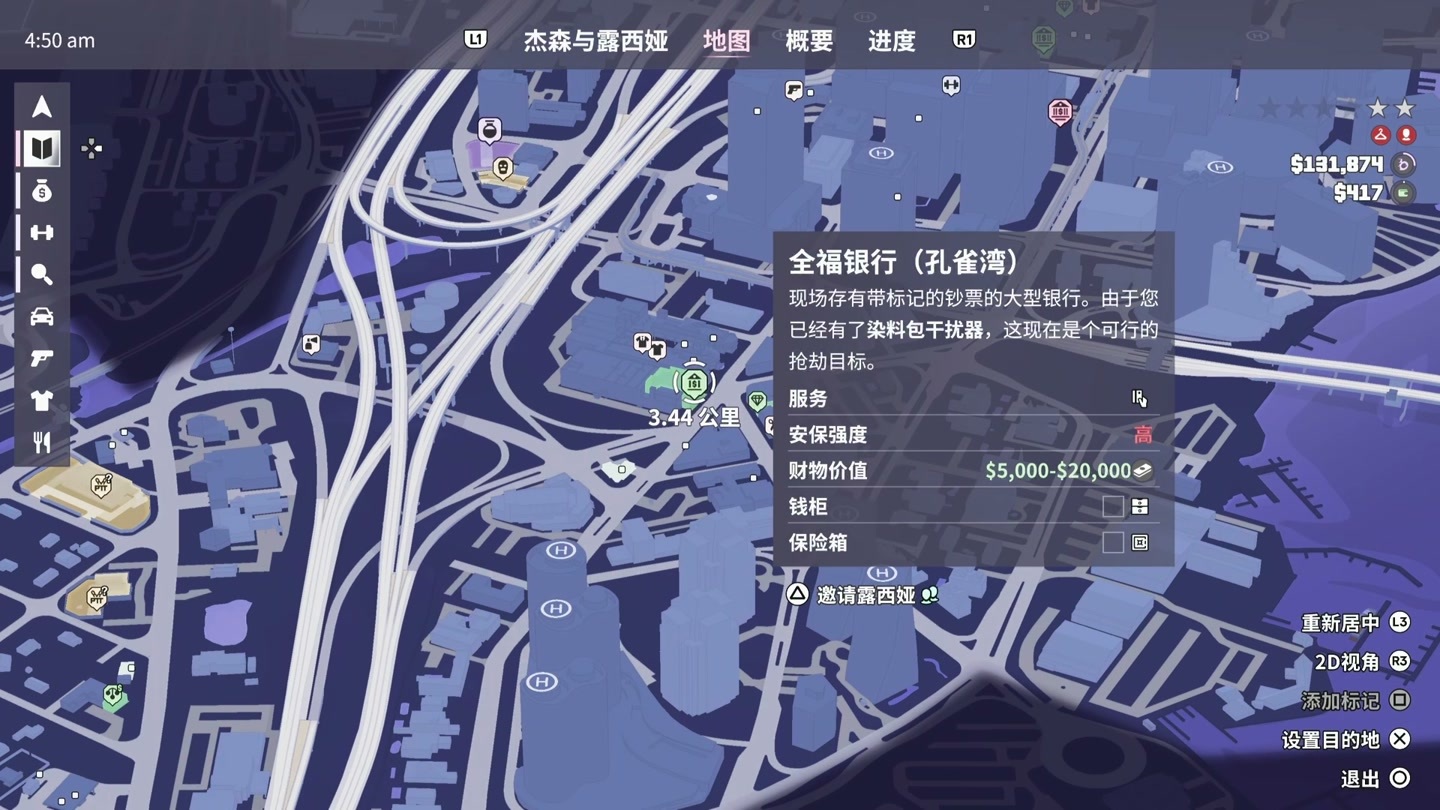
An open map and a reason to wait
By Chapter 3, the map showed banks, gang sites and garages for sale. Yet higher-end vehicles required tools obtained later, and story progress affected garage discounts. Bank robberies were available, but according to a guide the writer consulted, the full vault activity at large banks had to wait until late in Chapter 4. The question was not whether the player could visit a bank on the map. It was whether to make the trip while curious or come back when there was more to do.
That incentive had already shaped the playthrough. Seeing stolen goods assigned “low” or “very low” sale-price ratings in Chapter 1, the writer guessed that better prices lay ahead and largely left the side activities alone. An unintended benefit was avoiding the chapter-ending loss of money. The writer contrasted that calculation with Breath of the Wild and Tears of the Kingdom, whose introductory areas give players the core abilities they can use when they first decide to venture out.
Some destinations rewarded an immediate detour. At gang sites, different layouts and enemy positions made it worthwhile to stop, observe and plan a stealthy approach. Pawnshops, jewelry stores and banks felt more alike after a few visits. Repetition would have bothered the writer less if the shops served simply as places to raise cash. But each location tracked completion separately, its map marker changed after a robbery, and reaching 100 percent required clearing a substantial share. For a completion-minded player, more than 30 shops offered more than 30 addresses, not necessarily as many distinct encounters. The writer saw grounds for the same criticism often directed at Ubisoft’s open worlds.
The cost of a second trip
One nighttime hunt illustrated how individually plausible rules could work against one another. Driving to the habitat consumed several in-game hours. Once there, focus mode revealed a tangle of white tracks in an area with dozens of animal species. The writer then discovered that the weapon they had brought was unsuitable. Another round trip risked using up the remaining hours of darkness, and they had not found a convenient way to adjust the time in the field.
Meditation sites imposed a quieter version of that cost. A call or text could identify a spot the player had already passed, sending them back along the same road. Most meditations also had to be completed separately by both characters. What the writer valued in comparable scenic activities in Sucker Punch’s games was not greater complexity, but how seldom enjoying a view entailed making a long journey to see it twice.
This was the first Rockstar game the writer had played in depth. Its cinematic presentation, visuals and world simulation made a strong initial impression, even as the writer recorded rendering errors, clipping and unusual NPC behavior. They reported having to play one mission three times because of bugs and permanently losing a reward. But fixing those faults would not resolve the central criticism. The gang sites showed what the writer wanted elsewhere: familiar mechanics that, in a different setting, gave the player a fresh decision to make.