Spoilers for the old dam storyline in Wuling and its epilogue.
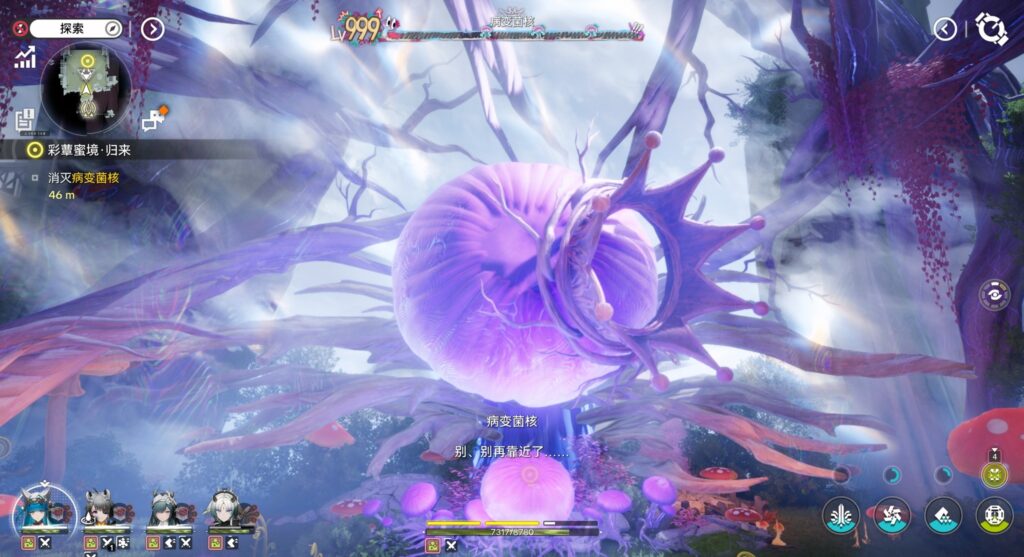
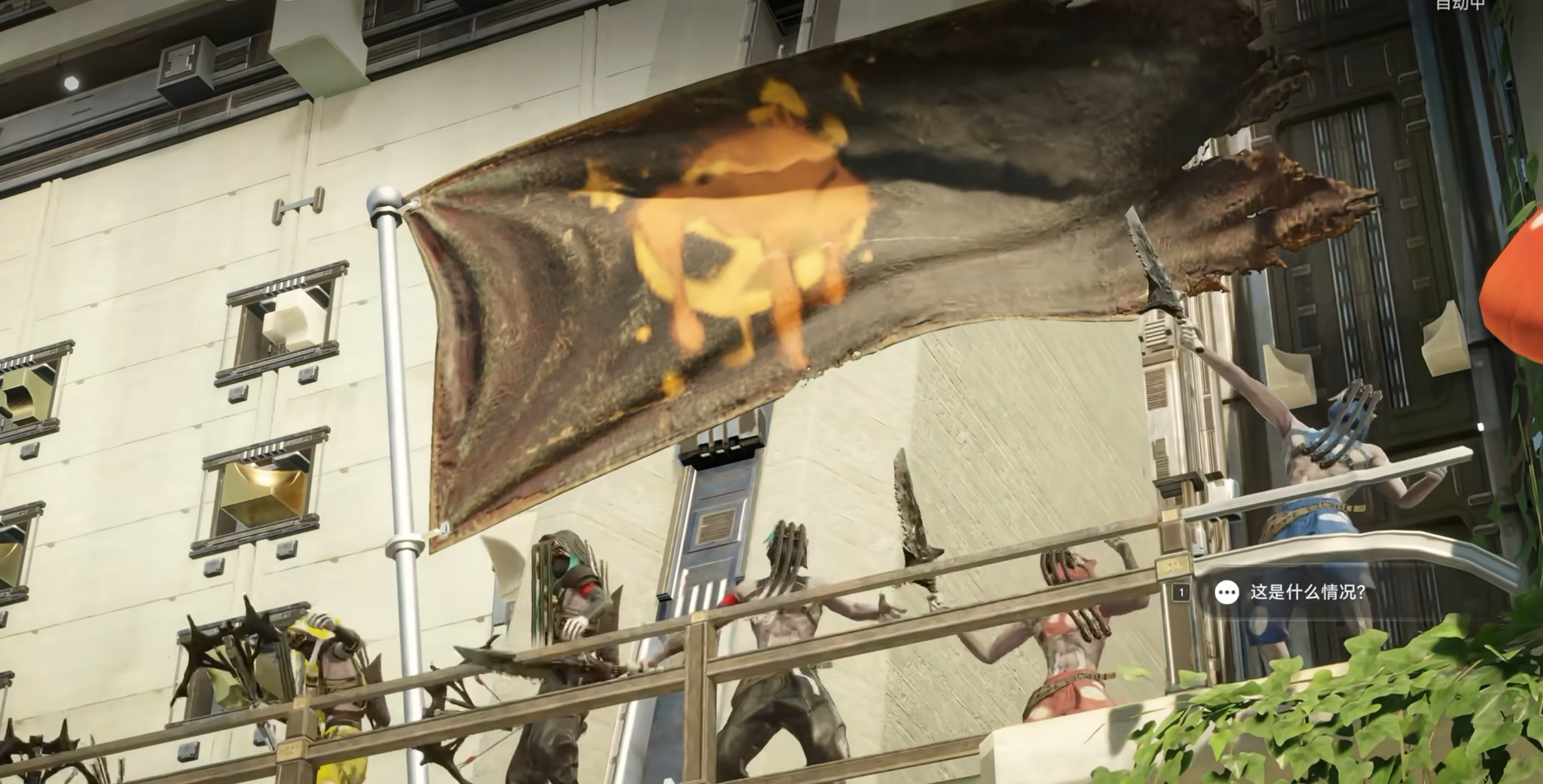
At an old dam south of Wuling, the Endministrator and Catcher fight their way through mushroom-covered ruins. Spores from the dam are affecting people in the city, and many of the enemies standing in the pair’s way have little choice in the matter: fungal threads are moving their bodies for them. It is a familiar setup for a horror story. The surprise in Arknights: Endfield is that defeating the giant mushroom at the heart of the outbreak amounts to curing it.

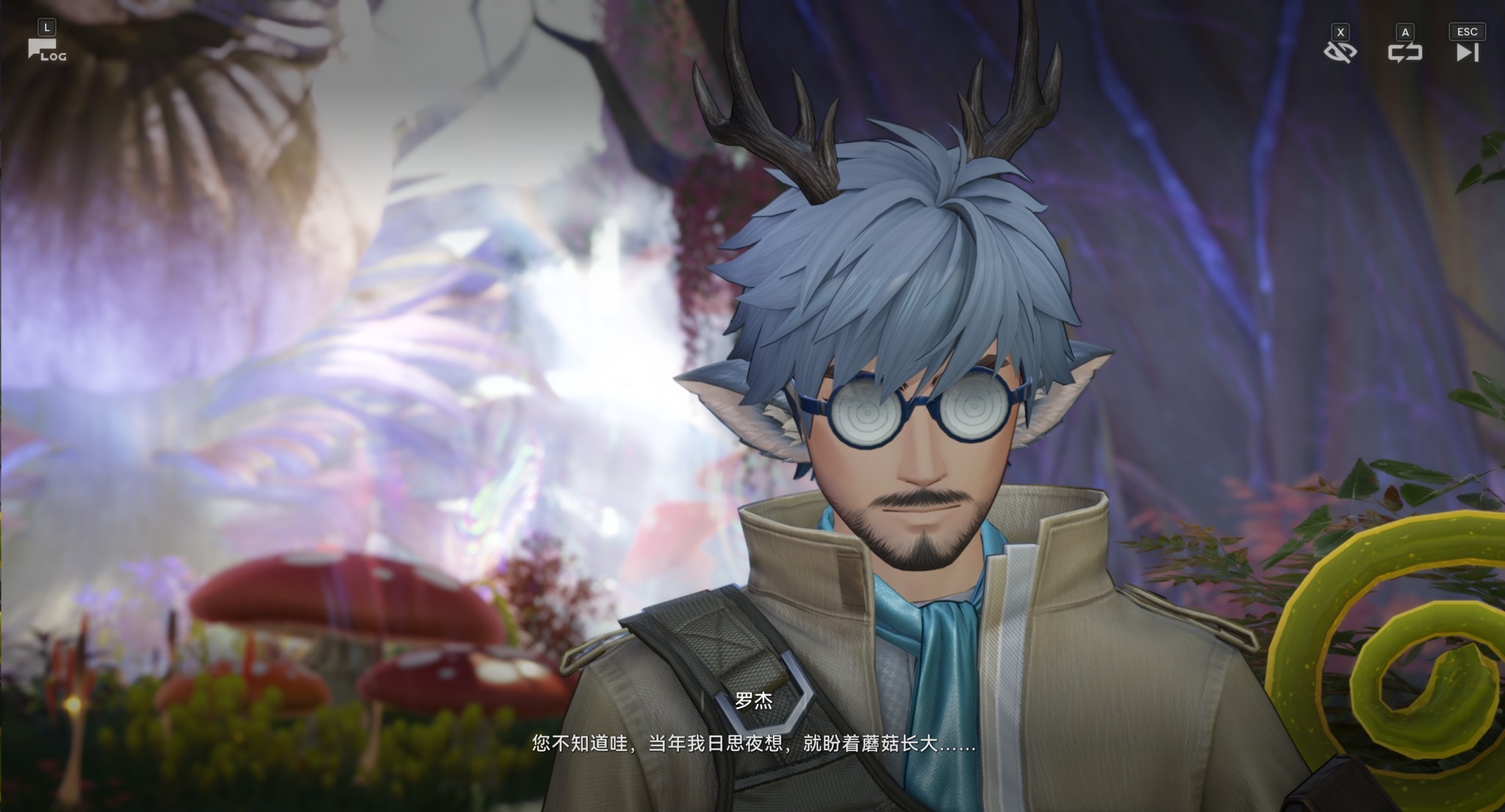
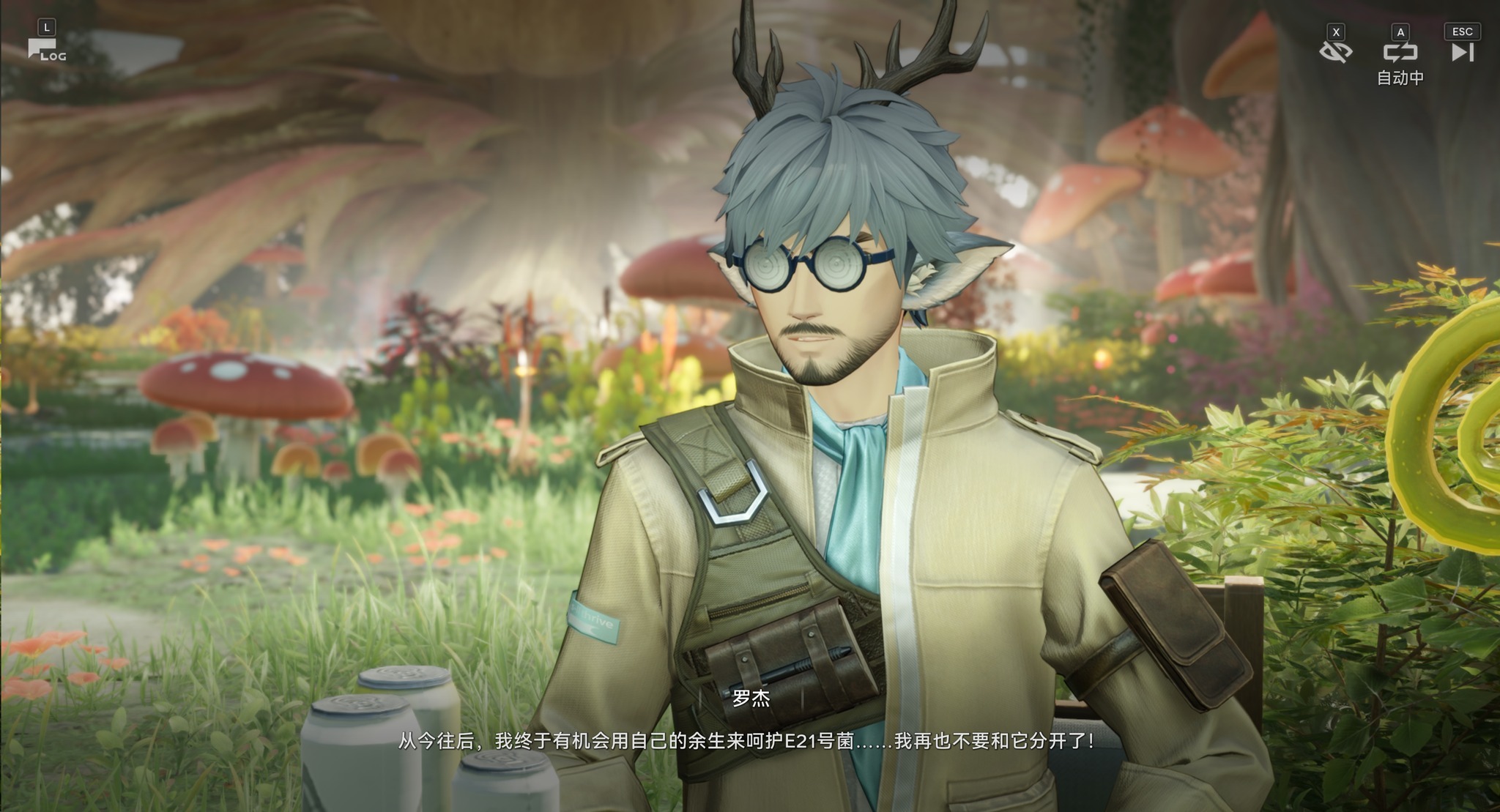
E21 began as a food crop. A scientist named Roger spent much of his life cultivating a mushroom that would grow quickly and help alleviate a food crisis. The Blight Tide caused E21 to mutate and develop a diseased mass of fungal tissue. Once the Endministrator and Catcher overcome their own hallucinations and defeat that mass, the infected Landbreakers have a chance to regain their senses. Roger can finally finish his work: E21 becomes a food ingredient that can be produced sustainably.
What makes E21 frightening
Fungi give fiction plenty to work with before it has to invent anything. Split-gill fungi can cause lung infections in humans, while some cordyceps fungi can alter an insect’s behavior. Neither is the same as a mushroom directing a person through a hallucination, but E21 draws on the unease behind both: what if the thing growing on a host could also decide where the host goes?
Then there is the question of how big a fungus can be. In 1998, the U.S. Forest Service identified a honey fungus in Oregon’s Malheur National Forest whose underground mycelium covered about 9.6 square kilometers. Its age was estimated at more than 2,400 years. What look like separate mushrooms above ground can be the fruiting bodies of one organism. The honey fungus resembles E21, though whether it inspired the game’s design is uncertain.
A different finding helped make the idea of an underground intelligence culturally persuasive. In a 1997 Nature paper, Canadian forest ecologist Suzanne Simard used carbon isotopes to trace carbon moving between birch and Douglas fir trees linked by mycorrhizal fungi. The popular nickname “Wood Wide Web” suggested a network exchanging messages. What the experiment traced was carbon, not thought. The game is free to take the imaginative leap the evidence does not: if a fungus could speak, what might it want to say?
The photograph that survives the dream
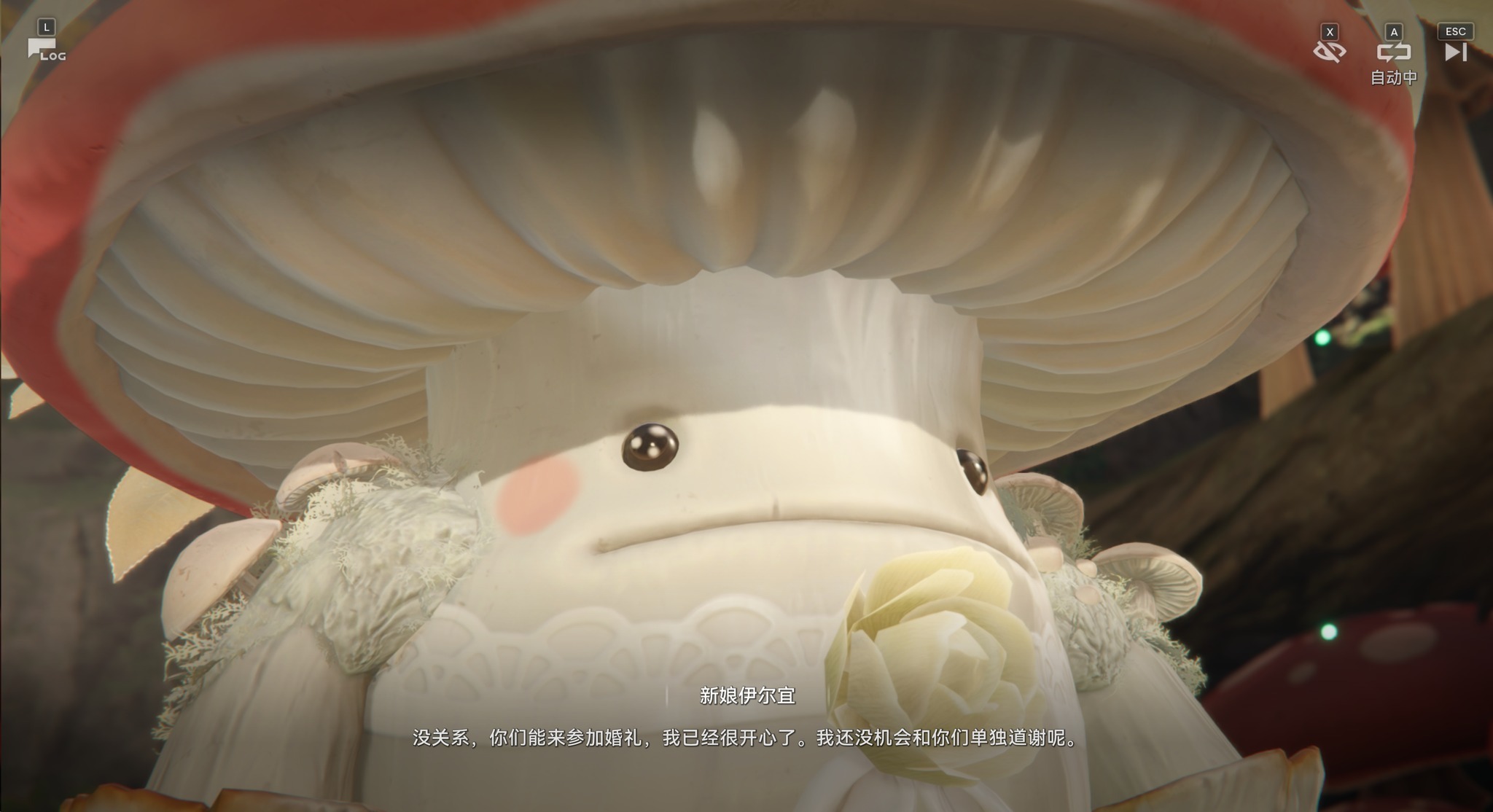
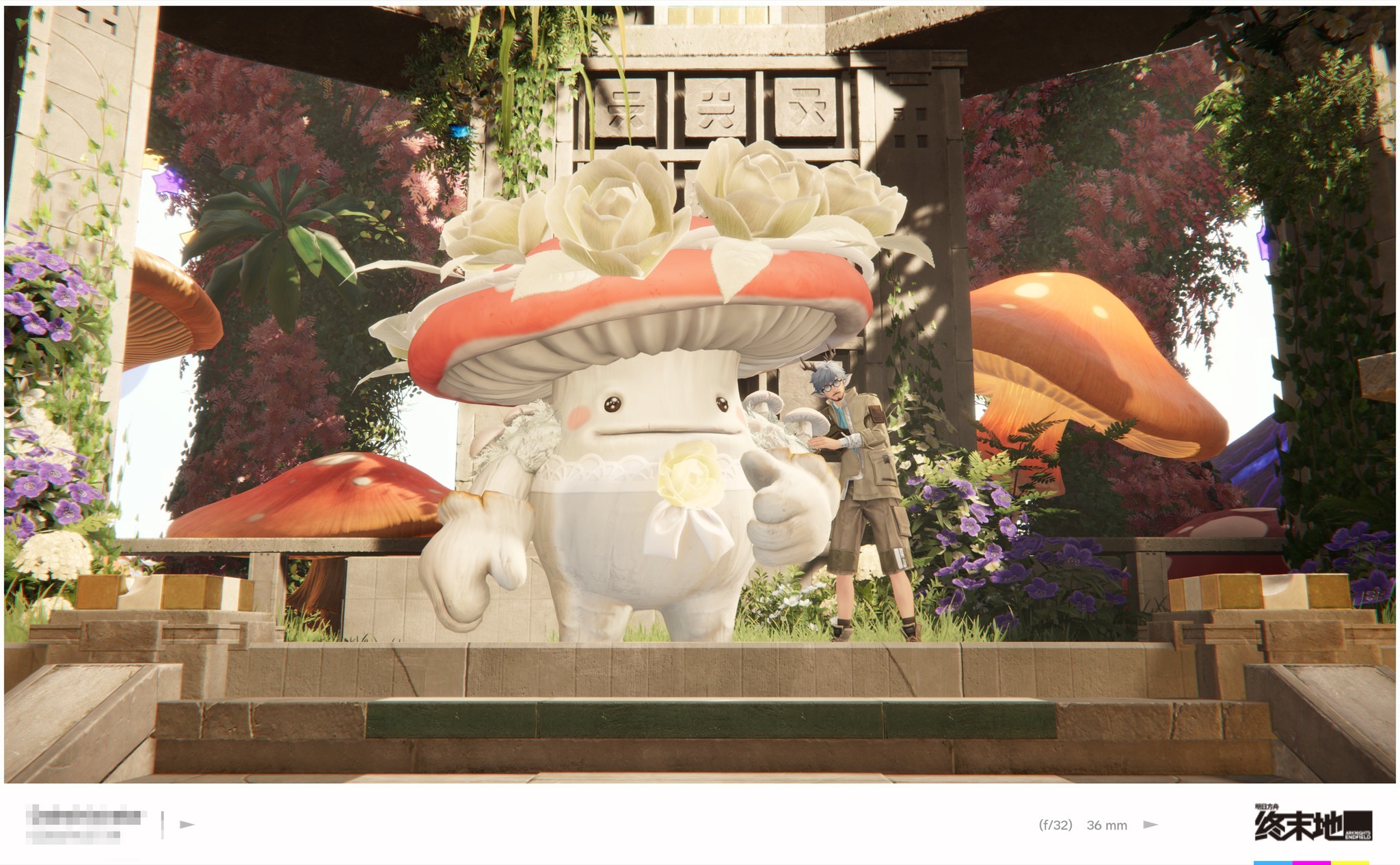
The answer comes after the fighting, over a feast of honey cakes recovered during the cleanup at the dam. The cakes taste sweeter than usual. When Roger announces that a matter of lifelong importance has been settled, the Endministrator and Catcher find themselves in a mushroom-covered Valley IV, where the Landbreakers and their leader, Rodahn, seem to be guests at a pre-wedding party. Roger is the groom. The bride is a giant mushroom in a wedding dress.
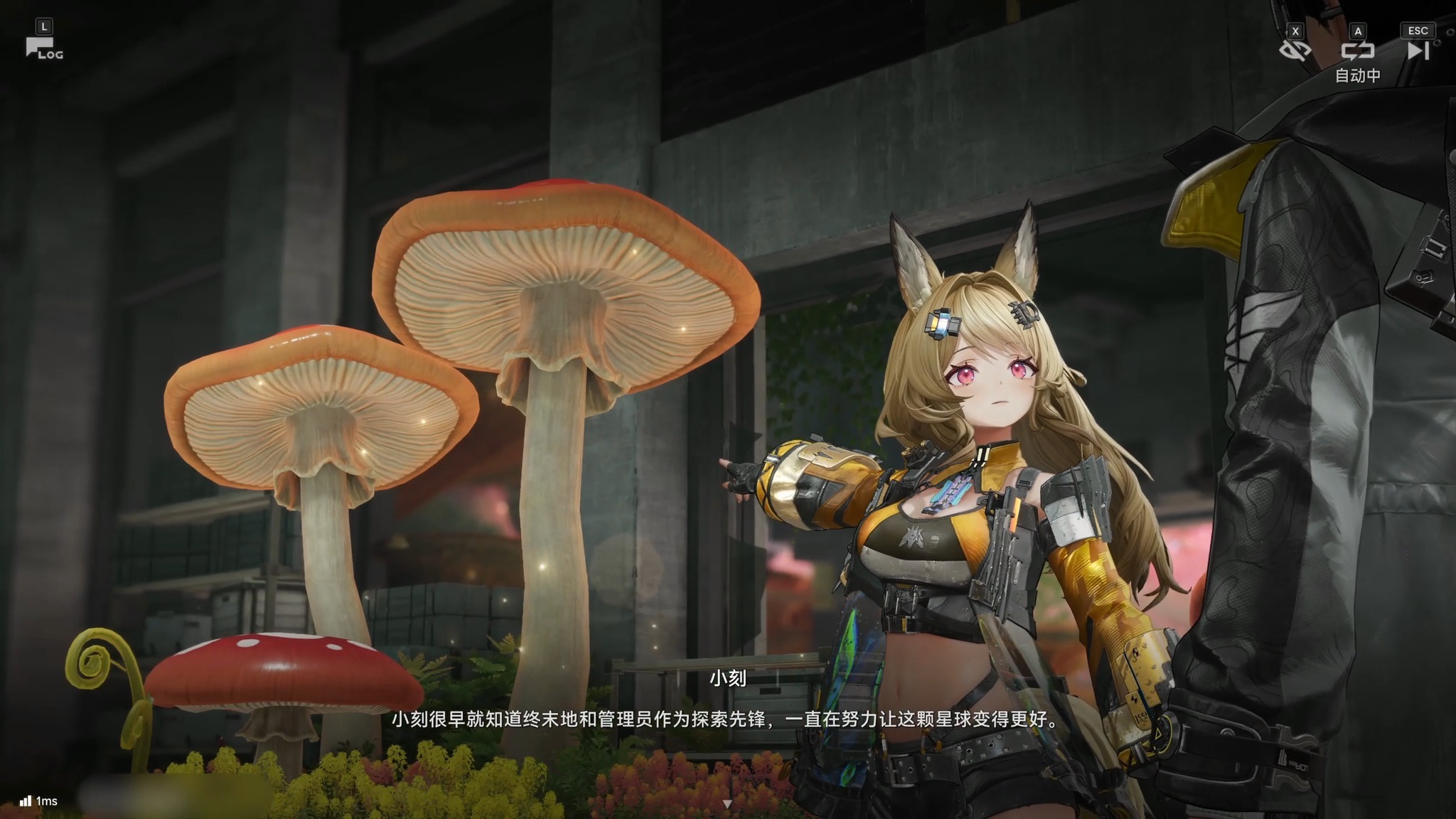
In the vision, the bride thanks the Endministrator for curing her. She knows how much of his life Roger has spent at her side, and she wants to return his affection. The Endministrator takes the couple’s photograph. Then all three wake up at the banquet table, surprised to discover that they shared a dream.
Catcher spots what looks like a wedding invitation still on the table. Roger explains that it is a notice awarding him a lifetime honor in mycology for his work cultivating E21. Perhaps, to the mushroom, the distinction is slight: the document recognizes a life spent together. The game leaves that interpretation open but gives players one tangible souvenir. Open the computer’s image folder, and the wedding photograph is there.
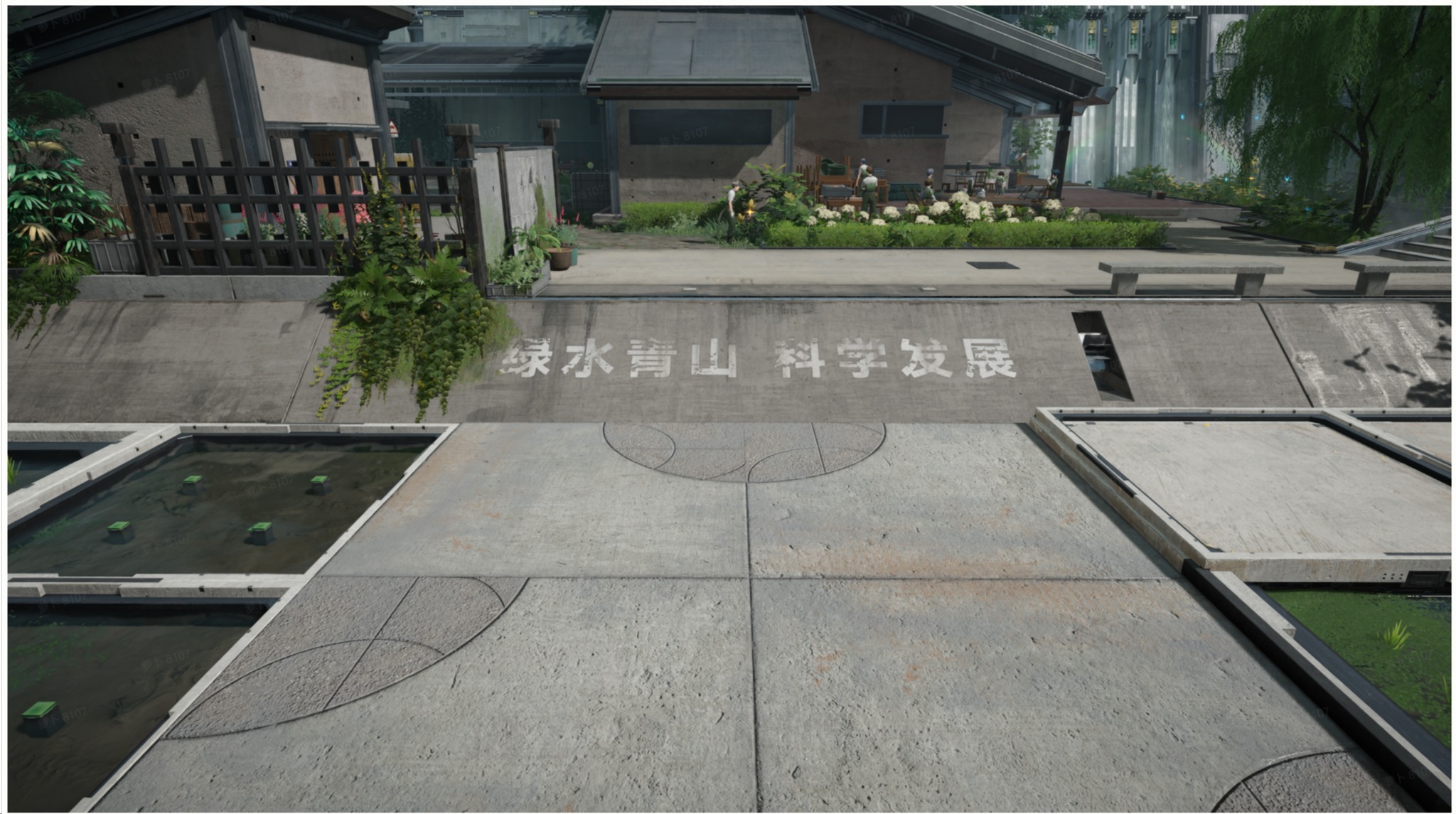
The epilogue also gives a more intimate meaning to a slogan seen earlier in Wuling: “Green waters and lush mountains, scientific development.” Across the region, residents use Xirang to restore land contaminated by the Blight Tide, with help from Endfield’s integrated industrial technology. At the dam, the same question plays out at the scale of one scientist and one crop. Roger set out to grow food for people. The story’s most generous conceit is that the organism he cultivated might have noticed the care he took—and found a rather elaborate way to thank him.