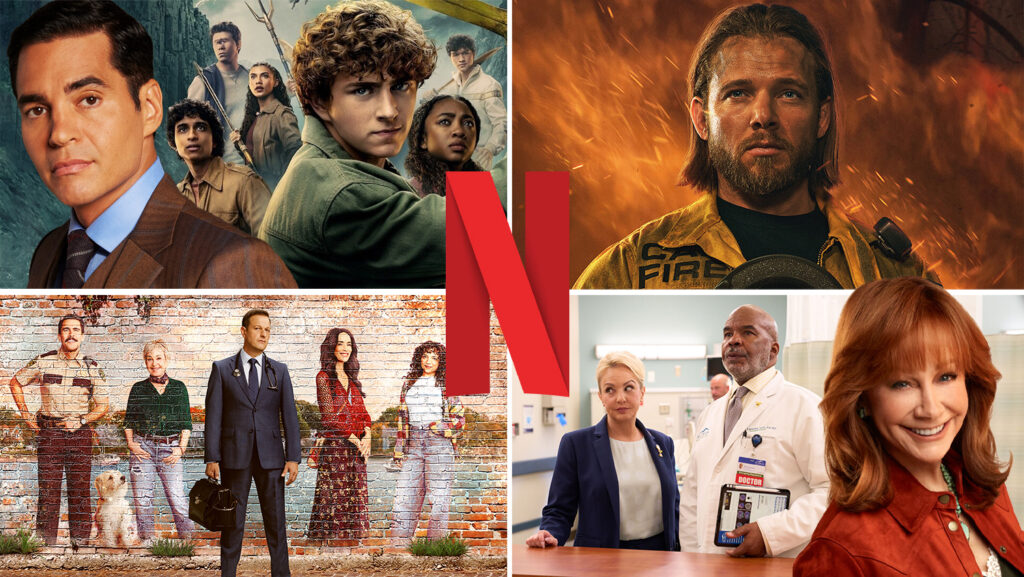
Disney’s multi-year licensing deal with Netflix gives viewers two months to catch up on Will Trent before the drama returns to ABC. Earlier seasons arrived on Netflix in November 2026. For the ABC comedy Shifting Gears, the planned gap is about 30 days. In both cases, Disney collects a licensing fee while giving Netflix viewers a reason to seek out the next season on ABC.
That timing used to be a feature of cable television: a channel could run a marathon of older episodes just before a show’s broadcast premiere. What has changed is how early in a show’s life its studio can sell those reruns, and how much control it can retain over where viewers watch the newest episodes.

Selling reruns after one season instead of four
Under the traditional syndication model, a broadcast series generally needed about four seasons and 100 episodes before its studio could sell reruns to local stations and, later, cable networks. Studios now routinely license a show to a third-party streamer after its first season. Unlike many early streaming deals, the newer agreements are generally nonexclusive: the broadcaster’s affiliated service can keep earlier seasons and carry new episodes the day after broadcast, while Netflix gets completed seasons.
Networks take different approaches to the gap. New seasons of Grey’s Anatomy reach Netflix about 30 days after their ABC finales. Fox takes the opposite approach with Best Medicine and Animal Control, putting the previous season on Netflix about a month before the next Fox premiere. CBS keeps Netflix further behind: the first season of Fire Country arrived there about two months before Season 3 began on CBS in 2024. Season 2 followed about two months before the 2025 premiere of Season 4. Only those first two seasons have gone to Netflix; newer seasons stream on Paramount+.
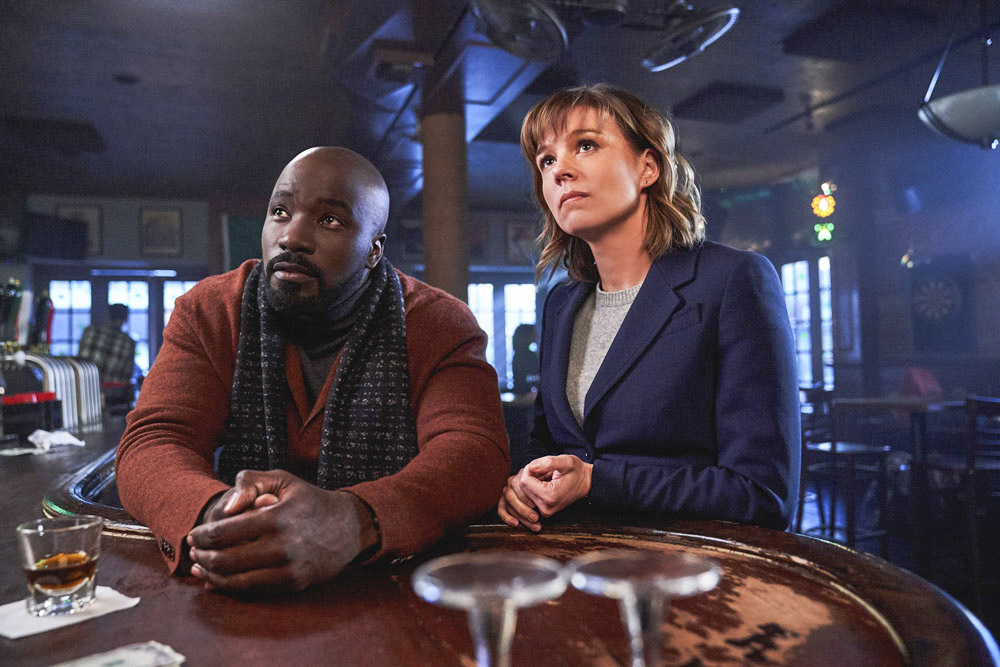
The promotional payoff is possible, not assured. After a modest first season on The CW in 2017, Riverdale found a wider audience on Netflix over the summer and returned to stronger broadcast ratings that fall. But when CBS Studios licensed the first seasons of Evil and The Unicorn to Netflix in 2020, the two shows took different paths. The audience that sampled Evil on Netflix helped inform the decision to move the drama to Paramount+. CBS canceled The Unicorn after two seasons.
What the licensing fees replace
When major media companies launched their own streaming services in 2019 and 2020, they largely stopped licensing current shows to outsiders. Declines in broadcast ratings and advertising revenue have since made those fees harder to pass up. “From our standpoint, we’re going to look at the money first, and then the marketing aspect second,” one studio executive said.
Talent agents argue that streaming fees fall well short of the syndication payments that once covered production deficits and paid creators entitled to a share of profits. Studio executives point out that nonexclusive deals let them sell the same show to several buyers, including ad-supported services such as Roku and Tubi. Even taken together, one TV executive acknowledged, those payments will probably rarely match what an individual hit could earn at syndication’s peak.
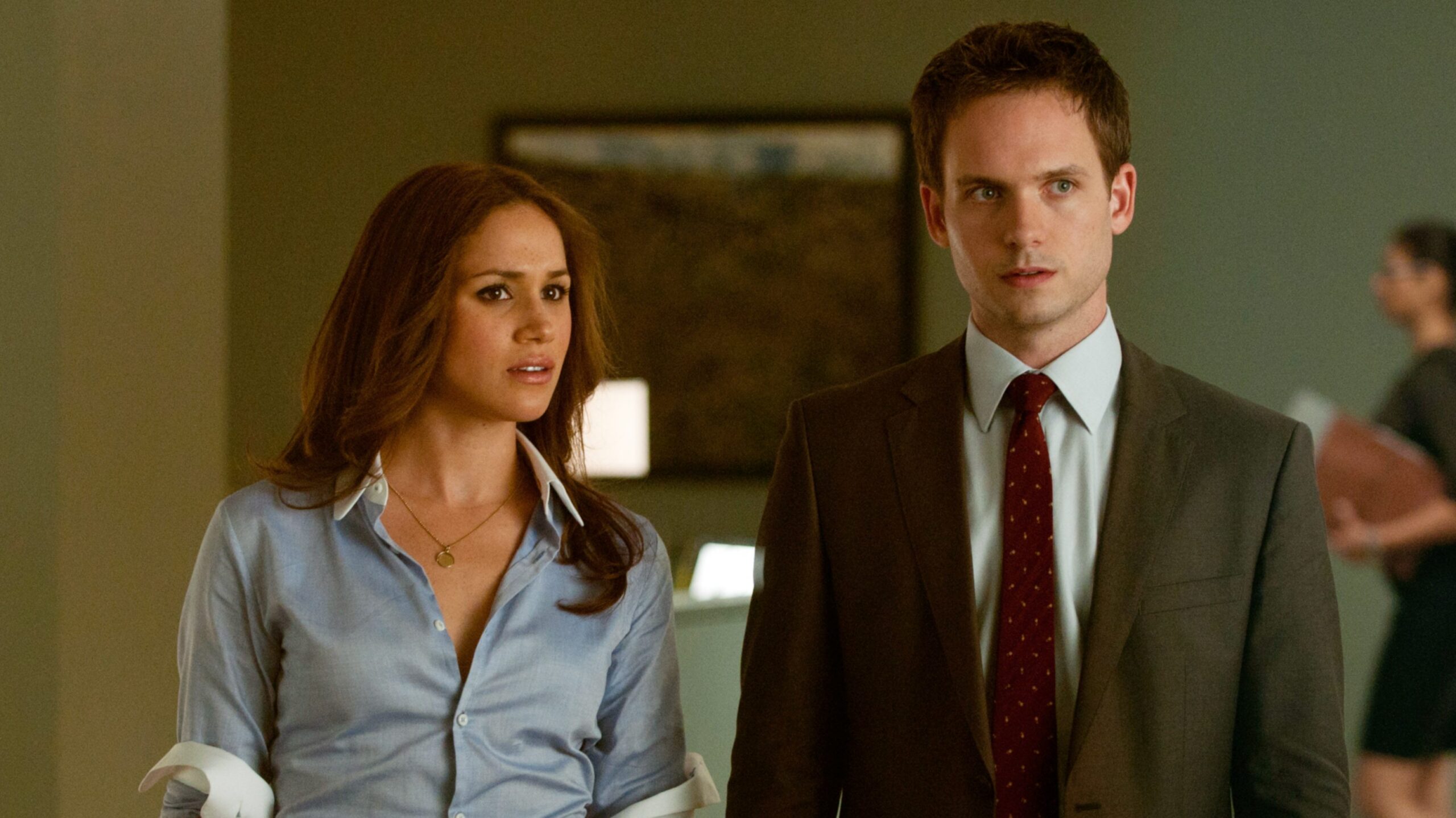
Cable libraries can still command substantial sums. AMC reached a $500 million licensing deal with Netflix for the entire Walking Dead franchise. And a cable show need not have new episodes to find a new audience: Suits, the former USA Network drama, amassed 57.7 billion minutes of viewing in 2023 despite not reaching Netflix in the U.S. until June of that year.
A short run on a rival service
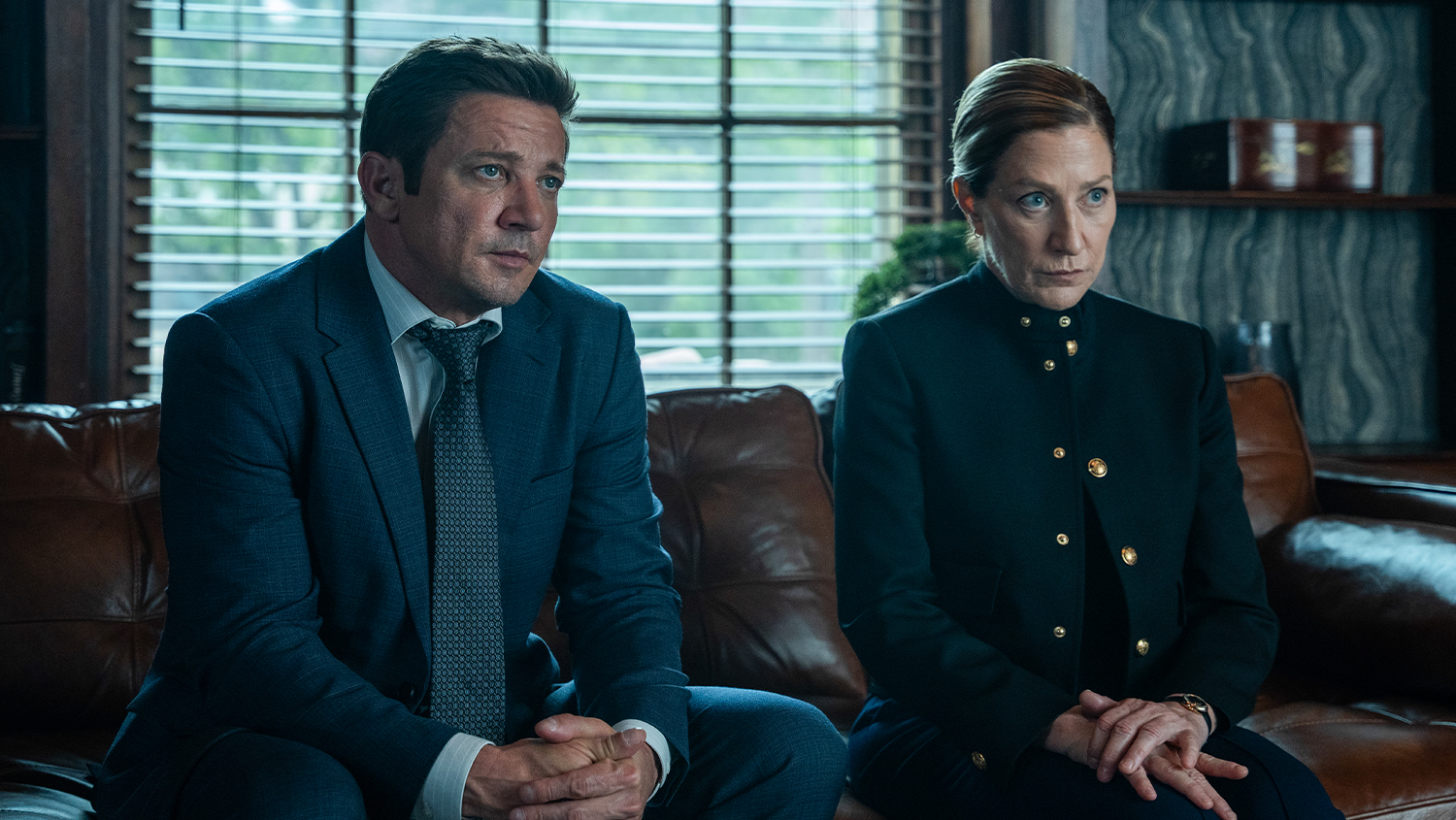
Studios are also licensing current streaming originals, not just broadcast and cable reruns. A 20-series agreement Netflix announced with Paramount in January 2026 included the first four seasons of the Paramount+ drama Mayor of Kingstown. Amazon licensed the first three seasons of the MGM+ series From to Netflix; the show drew more than 5 billion minutes of U.S. viewing in its first three weeks there.
Disney set a much shorter term for Percy Jackson and the Olympians: its Netflix run lasts just three months, timed to the new season’s November 20 launch on Disney+. The deal also brings the Ice Age films to Netflix ahead of the scheduled February 5, 2027, release of Ice Age: Boiling Point. For Disney, the test is whether viewers who discover a title on Netflix will follow it elsewhere. For Netflix, the attraction is having the title at all. As co-CEO Ted Sarandos told analysts in October 2026, “It’s a little complicated because all of our suppliers are also our competitors.”