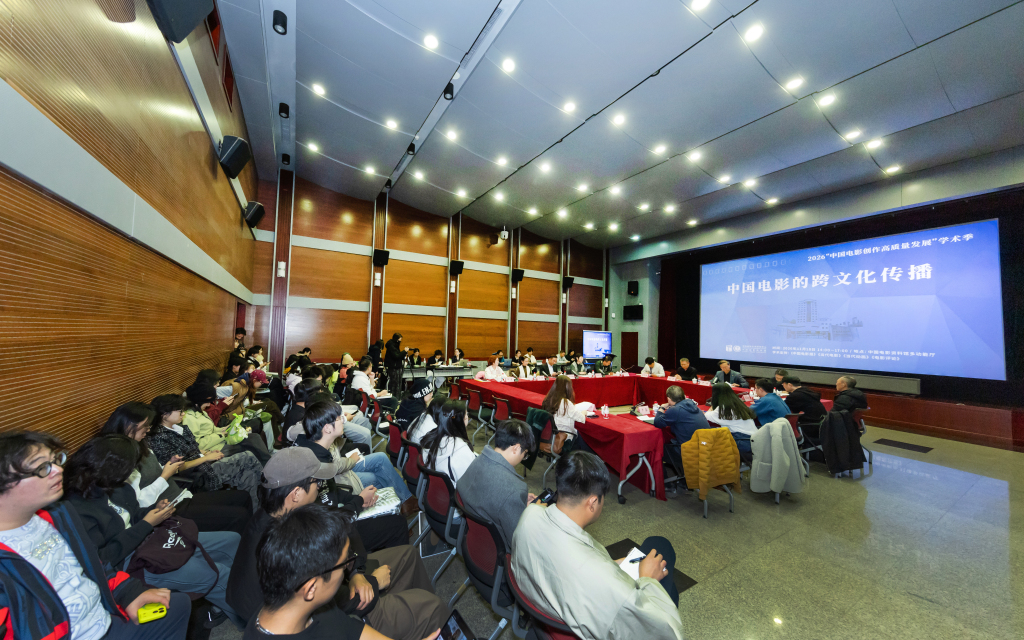
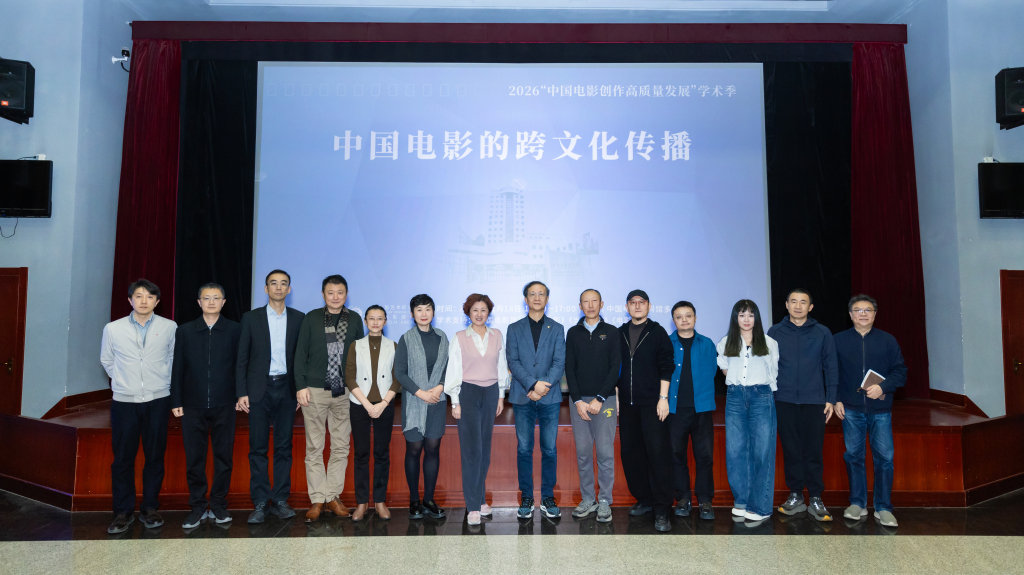
At a November 18, 2026, seminar at the China Film Archive, filmmakers, translators and researchers discussed a question facing Chinese cinema overseas: how can a film retain its cultural specificity while connecting with audiences unfamiliar with its setting? The discussion was reported on November 20, 2026.
Director Wuershan described his approach to the Fengshen trilogy. Rather than begin with how foreign viewers might interpret Chinese mythology, he focused on two father–son relationships: Ji Chang and Ji Fa, and Yin Shou and Yin Jiao. Overseas audiences might not remember every deity’s name, he said, but could recognise the expectations, resistance and regret within those relationships.


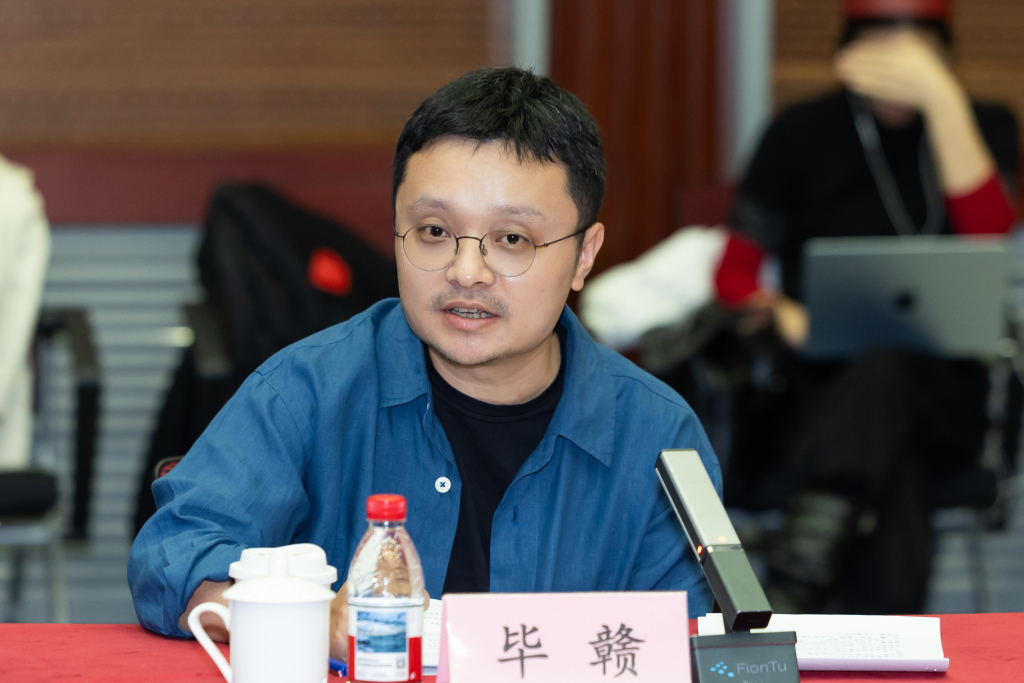
Director Bi Gan likewise argued that filmmakers should tell stories shaped by their own experiences, even when using the shared language of cinema. Screenwriter Chen Shu said that grounding characters in real life was particularly important amid her concerns about AI’s effect on creative work and audiences’ trust in creators.

Translation was another focus. Professor and translator Ma Zhengqi said subtitles can convey a line’s basic meaning while losing its rhetoric or emotional force. Liu Feng, director of the Shanghai Film Dubbing Studio, argued that translation should preserve cultural differences without leaving audiences with only a literal rendering. He warned that shrinking budgets and the loss of experienced practitioners could erode that capacity.


The speakers also addressed distribution and reception. Archive deputy director Lu Liang said differences in cultural context, distribution channels, translation quality and overseas promotion remained persistent challenges. Citing 给阿嬷的情书, he said its overseas box office had reached 104 million yuan in 2026; that figure was his claim at the seminar. Fudan University professor Yang Junlei urged filmmakers to move beyond using cultural symbols alone, while China Communication University professor Liu Jing called for sustained engagement through overseas criticism, podcasts and university screenings.
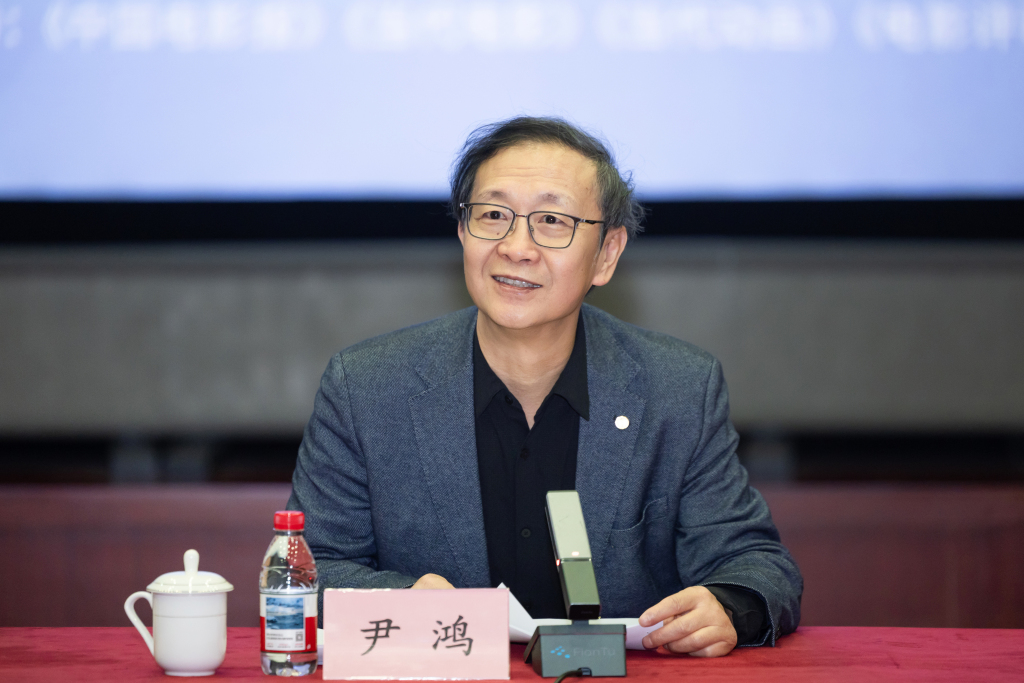
In his closing remarks, moderator Yin Hong said Chinese cinema had become a significant presence in the global film landscape but still faced the challenge of increasing its international influence. The discussion offered no single formula: its recurring argument was that technical reach and visibility matter less if audiences cannot connect with the people and values on screen.